6 SMART Goals to Supercharge Your Weight Loss Journey

Track Your Food Intake
Logging what you eat can be an eye-opening experience. It helps you understand the calorie and macronutrient content of your typical diet, highlighting excesses and deficiencies objectively. Ultimately, food tracking teaches you which meals and snacks help you reach your goals without constant hunger pangs.
Use a food logging app and take notes on how you feel after meals. For example, "I felt hungry after lunch, so I'll add more fiber and protein tomorrow" or "A 1-cup serving of nuts pushed me way over my target, so I'll try 1/2 cup next time." After tracking for a while, use these insights to guide your future goals.
Stay Hydrated
Low-level dehydration is often the culprit behind low energy and cravings, leading to unnecessary snacking. Aim to drink enough water each day to avoid this pitfall and maintain the energy needed for workouts.
Find a reusable water bottle and determine its capacity. Place rubber bands around it to mark your daily hydration goal. For example, a 24-ounce bottle would need 3 bands for 3 refills to hit 72 ounces. Once you've established a consistent water habit, take a critical look at other beverages. Are you getting too many liquid calories from fancy coffee drinks, juice, or alcohol? Experiment with changes like using a smaller cup or swapping soda for sparkling water.
Fill Half Your Plate with Veggies
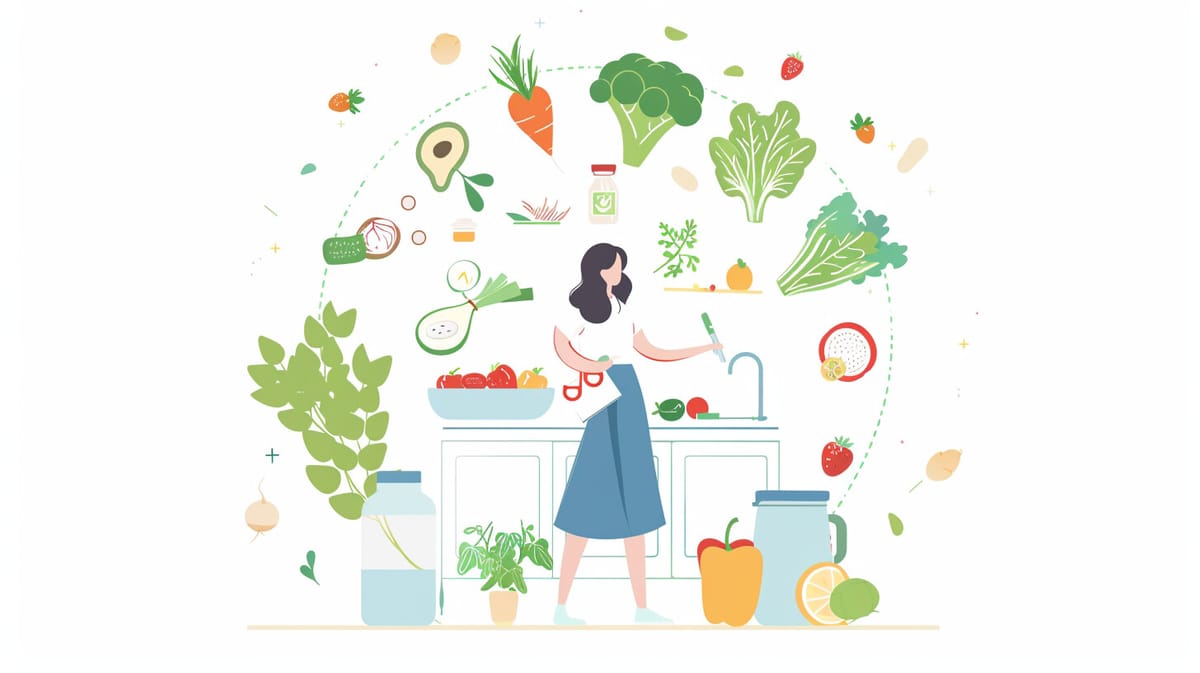
Meals rich in fiber and water from non-starchy vegetables like leafy greens, asparagus, broccoli and carrots are low in calories and highly satiating. They're also packed with health-protective nutrients that keep your digestive system humming.
Log your meals with photos or in an app. Challenge yourself to try one new veggie per week, mix up your salad greens, or experiment with different cooking methods like roasting or grilling. The more confident and adventurous you get with vegetables, the more of a mainstay they'll become in your diet.
Meal Prep on Weekends
Skipping lunch often leads to overeating at dinner or reaching for unhealthy convenience foods. Batch cooking over the weekend ensures you have nutritious lunches ready to go, making it easier to hit your calorie goals.
Schedule a specific meal prep time each week. Make it fun and stay accountable by doing virtual batch cooking sessions with friends. If prepping a full week of meals feels overwhelming, start with just a couple of days and work your way up. As you get the hang of it, aim to try one new recipe each week to keep your taste buds engaged.
Increase Your Daily Steps
Walking more is an easy way to boost non-exercise activity thermogenesis (NEAT), the calories you burn through daily living. This is crucial for weight loss since your body naturally tries to preserve energy by reducing unconscious movements like fidgeting.
Use a step tracking app or wearable device and give yourself a sticker or digital gold star each time you hit a daily or weekly step goal. When you consistently reach your target, level up by aiming for 1000 more steps per day the next week. Break it down into mini goals like a weekend nature hike or morning walk. If you struggle to hit your goal, adjust to a more achievable target like adding 500 steps rather than 1000.
Find Non-Food Stress Relief
While occasionally using food for comfort is normal, it can negatively impact your health and goals if it becomes your primary coping mechanism. Create a list of alternative stress-management activities to help break the cycle of emotional eating.
Each time you opt for a stress reliever like cleaning, reading, cooking a nourishing meal, or calling a friend to vent, make a note of it. When you do turn to food, journal about why, how you felt afterwards, and what you could do differently next time. If your initial strategies aren't effective, re-evaluate your needs to come up with more suitable coping techniques. When you find success, set a new goal to develop a consistent self-care routine.
By setting, tracking, and adjusting these 6 SMART goals, you'll build the healthy habits necessary to achieve sustainable weight loss. Remember, it's not about perfection - small steps and consistency are the keys to lasting success.